
UK Mortgage Market Update: Starmer resigns, Burnham waits, and what it means for your mortgage
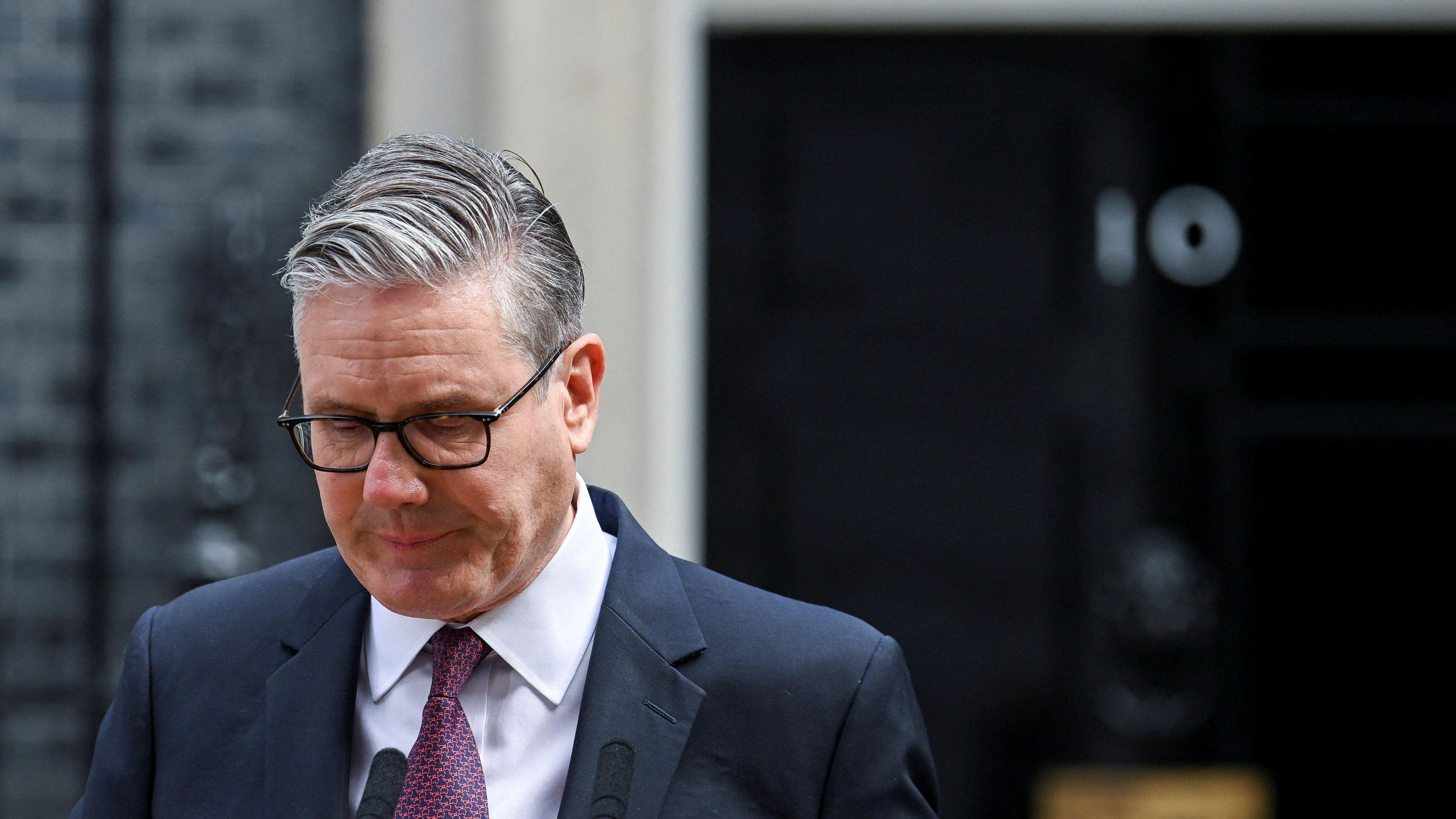 It has been one of the most significant days in British politics in years, and the mortgage market is watching closely. Keir Starmer resigned as Prime Minister this morning, Andy Burnham is the clear frontrunner to replace him, and the questions for anyone with a mortgage are simple: what happens to rates, and what should I actually do? Here’s the plain-English version.
This week (so far) at a glance
| Keir Starmer resigned as Prime Minister and Labour leader on 22 June, staying on until a successor is chosen | |
| Andy Burnham is the frontrunner to replace him after a decisive by-election win in Makerfield | |
| Sterling weakened and gilt yields stayed elevated, but the market reaction so far has been muted | |
| Mortgage pricing pressure comes through swap rates, not the base rate, which is still 3.75% | |
| The roughly 1.8 million fixed deals ending in 2026 are the story that matters most for borrowers |
The big story: a change at the top
Keir Starmer confirmed his resignation as Prime Minister and Labour leader outside Downing Street today, following weeks of speculation about his future. He will remain in office until a new leader is chosen and the transition is complete.
Attention has immediately turned to Andy Burnham, the Mayor of Greater Manchester, who is widely seen as the frontrunner. He won the Makerfield by-election by more than 9,000 votes, increasing Labour’s vote share by nearly 10%, a result understood to have opened his route into the leadership contest. There is also a question mark over the future of Chancellor Rachel Reeves, who markets have come to view as a stable, predictable figure on the economy.
Why this matters for mortgage rates
Here’s the part that actually affects your payments. Mortgage pricing is driven less by the Bank of England base rate and more by swap rates, which reflect where the market expects interest rates to go. When political uncertainty rises, investors demand a higher premium, gilt yields and swap rates climb, and lenders pass that through to fixed mortgage pricing even if the base rate doesn’t move. It’s the same mechanism that pushed rates up during the Iran conflict earlier this year.
So far, though, the reaction has been measured. Adam French of Moneyfactscompare noted that gilts and swap rates had already risen by around 10 basis points after last week’s by-election results and held there, meaning Starmer’s resignation itself prompted a fairly muted response because the effect was largely already priced in.
The single biggest variable to watch is who becomes Chancellor. As AJ Bell’s Dan Coatsworth put it, bond investors like dull and predictable, and want a plan where the numbers add up. A market-friendly appointment calms things; an unexpected one could add pressure.
The economic backdrop
The political news lands on already nervous ground. Public sector borrowing hit £23.3 billion in May, around 30% above a year earlier and £5.6 billion above the OBR forecast, with debt interest of £11.7 billion the highest for any May on record. The 10-year gilt yield touched 5.137% in May, an 18-year high, when Burnham’s candidacy emerged, easing to around 4.84% but remaining elevated. Tight public finances mean markets are watching the leadership contest, and any future fiscal plans, very closely.
What a Burnham government might mean for housing
It’s early, and detailed policy is thin, but a few signals are worth knowing. Burnham has previously floated replacing stamp duty with a Land Value Tax, taxing the asset rather than the transaction, an idea aimed at making it easier for lower-deposit buyers to get on the ladder. Other ideas linked to him include a proportional property tax, rent controls, and a large council house building programme. Knight Frank’s Tom Bill cautioned that a tax targeting landlords, developers and second-home owners could curb activity and potentially push rents higher. None of this is policy yet, and a leadership contest would have to conclude first.
What this means for you
If you’re remortgaging or your fixed deal ends in 2026
This is the group that matters most, and the message is the calmest one. Around 1.8 million fixed deals expire this year, and that refinancing wave doesn’t care who is in Downing Street. Most lenders let you secure a new rate up to six months before your current deal ends, and you can usually switch to a cheaper deal if rates fall before you complete. Locking in early protects you if political noise pushes rates up, with little downside if they don’t. Letting your deal lapse onto a standard variable rate, recently quoted around 7%, is the expensive outcome to avoid.
If you’re a first-time buyer
This is the group that matters most, and the message is the calmest one. Around 1.8 million fixed deals expire this year, and that refinancing wave doesn’t care who is in Downing Street. Most lenders let you secure a new rate up to six months before your current deal ends, and you can usually switch to a cheaper deal if rates fall before you complete. Locking in early protects you if political noise pushes rates up, with little downside if they don’t. Letting your deal lapse onto a standard variable rate, recently quoted around 7%, is the expensive outcome to avoid.
If you’re a landlord
This is the group that matters most, and the message is the calmest one. Around 1.8 million fixed deals expire this year, and that refinancing wave doesn’t care who is in Downing Street. Most lenders let you secure a new rate up to six months before your current deal ends, and you can usually switch to a cheaper deal if rates fall before you complete. Locking in early protects you if political noise pushes rates up, with little downside if they don’t. Letting your deal lapse onto a standard variable rate, recently quoted around 7%, is the expensive outcome to avoid.
"Overall, it's still a case-by-case basis, depending on what suits the client's situation and plans best. With Keir Starmer's departure and the likelihood of a snap election, there's uncertainty around the political and economic state of the UK, and a fixed rate can give clients a degree of guarantee for a set period of time. That said, it won't always be the most beneficial solution for everyone."
Brennan Goodwin
Mortgage Adviser, Heron Financial
FAQs
What would Andy Burnham as Prime Minister mean for mortgages?
Possibly, but indirectly. Mortgage rates are driven by swap rates, which respond to market confidence. Political uncertainty can push swap rates up, which lenders pass on to fixed deals. So far the reaction has been muted because markets had already priced in last week's by-election results.
What would Andy Burnham as Prime Minister mean for mortgages?
It's too early to say with any certainty. Burnham has previously suggested replacing stamp duty with a land value tax and reforming council tax, but no firm policy exists, and a leadership contest would need to conclude first. In the near term, the market's bigger focus is who becomes Chancellor.
Should I lock in a mortgage rate now or wait?
If your deal ends within the next six months, securing a rate now is generally the sensible move. Most lenders let you reserve a rate up to six months ahead and switch to a cheaper one if rates fall before completion. That protects you from any political volatility without giving up the chance of a better deal.
Why do swap rates and gilt yields affect my mortgage?
Swap rates reflect what markets expect interest rates to do in future, and lenders use them to price fixed-rate mortgages. When political or economic uncertainty rises, gilt yields and swap rates tend to climb, and fixed mortgage rates often follow, even when the Bank of England base rate stays the same.
Is now a bad time to buy a house?
Not inherently. Political uncertainty tends to cause some buyers and sellers to pause, but your own affordability and circumstances matter far more than the news cycle. A fee-free broker can give you a straight read on what's realistic for you right now.